Sacramento Delta 2012

Exploring Sacramento and the Delta
On a stormy weekend in March, we took a "consolation vacation" to Sacramento and the Delta to replace our cancelled desert camping trip. We spent a day being tourists in Sacramento followed by a couple of days exploring the Delta, visiting historical towns, enjoying a champagne brunch at the Grand Island Mansion and searching for water resource developments in the Delta's fragile and vulnerable ecosystems and levees. To guide our trip, we combined tour itineraries from the Lonely Planet and Off the Beaten Path guidebooks, educational trips to the delta, and the Delta Chamber of Commerce. We also brought along a wonderful artist book, The Delta Primer: A Field Guide to the California Delta by Jane Wolff (scroll to the end of this page to more resource links and downloadable PDF guides). We could have spent a week in the Delta and still not see everything we wanted to see - we'll definitely be going back to camp in nicer weather.

Sacramento River Water Intake Facility
We took a "historic" boat trip on the Sacramento River. There wasn't much history but we did learn about this Sacramento River Water Intake Facility. Completed in 2003, it can pump up to 160 million gallons of water per-day out of the river. In addition to being functional (you can see the pumps through the windows), the facility was designed as public art – a giant kinetic sculpture of steel and glass. Even if you're not a water geek like me, it's worth a visit just for the views of the river.

Governor's Mansion, Sacramento
We took a tour of the Governor's Mansion where 13 governors lived from 1903 to 1967. Ronald and Nancy Reagan lived there for 3 months before moving out to a modern home outside of Sacramento. Legend has it that while Edmund "Pat" Brown and his family were living there, a young Kathleen Brown, painted these toenails on the clawfoot bathtub.
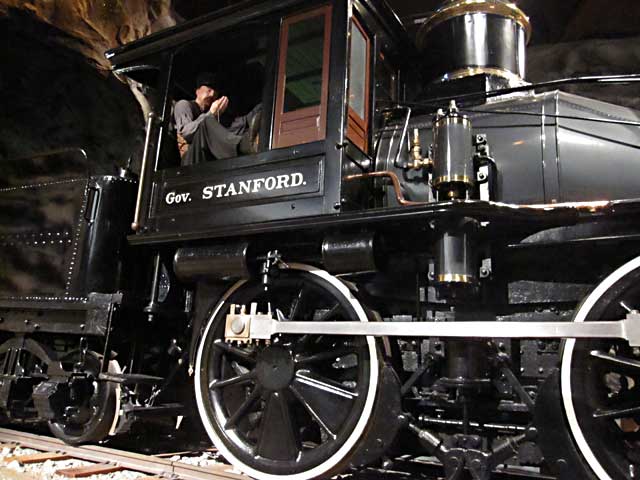
California State Railroad Museum, Sacramento
This museum is well worth a visit. We learned about the rapid accumulation of wealth for the railroad barons Stanford, Crocker, Hopkins and Huntington; the engineering feat of building a railway over the Sierra; and the cruel treatment of the Chinese. We walked through many real trains, including one that simulates the rocking motion of a moving train.
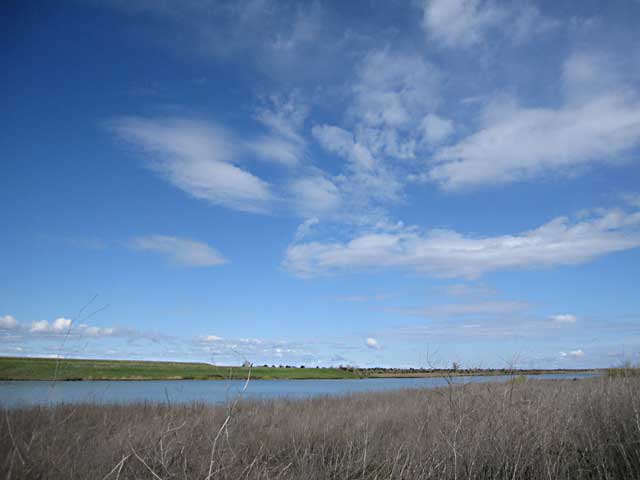
Sacramento River Deep Water Ship Channel
I really wanted to see a large cargo ship cruise through this deep water channel but it was a Saturday so we saw a lot of people fishing instead. This perfectly straight channel was completed in 1963 for ease of navigation to the Port of Sacramento; ships used to get lost in the network of sloughs, especially on foggy days. It's 43 miles long with an approximate depth of 30 feet and areas up to 200 feet wide. The Port of Sacramento is primarily used to export bagged and bulk rice.

Pear Orchard
Most of the roads in the Delta are built on the tops of the levees. The conversion of the delta islands to agricultural fields has resulted in dramatic land subsidence; some islands are now 15 or more feet below sea level. Driving around the delta gives you the unusual perspective of looking down onto the tops of orchards. I never knew that pears were grown around here: more than half of all Bartlett pears grown in California are grown in the Delta.
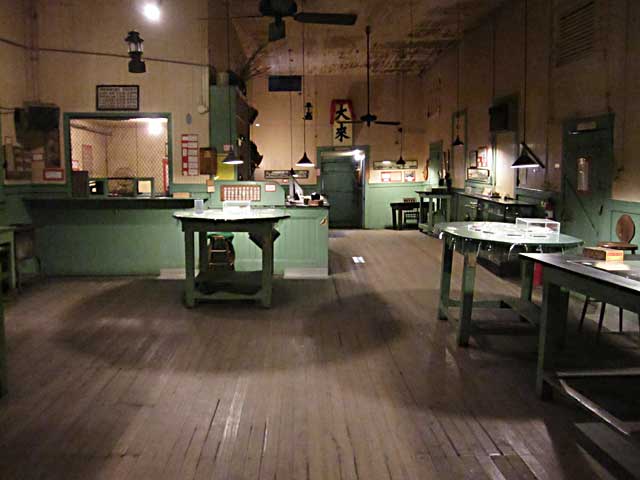
Dai Loy Museum in Locke
This is a Chinese gambling museum, in the old gambling house in the historic town of Locke. There was no one on the premises to greet you when you walk into this eerie, windowless building, made even more spooky by the slanting floors and the gambling tables set up with games ready to be played. It was hauntingly fascinating!
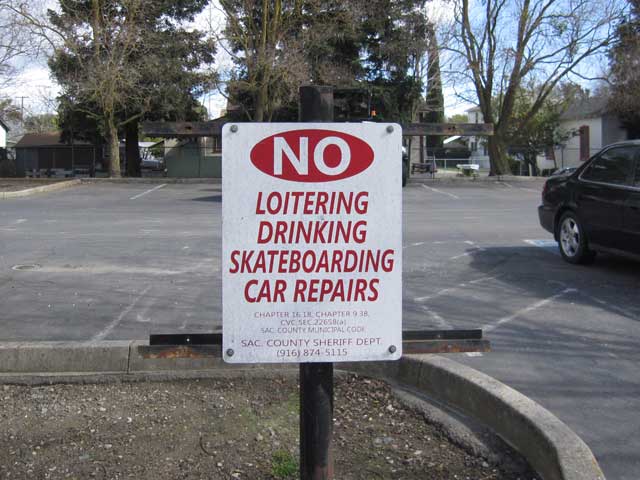
Walnut Grove
The historic town of Walnut Grove is where the Bank of Alex Brown got its start. But I was really taken by this sign - you just don't see signs that say "No Car Repairs" in the parking lots of the Bay Area.
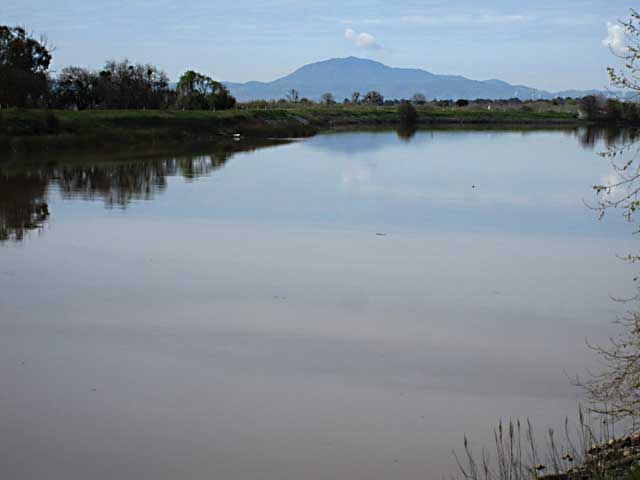
Mount Diablo
Mount Diablo looms large over the Delta - you can see it from almost any location.
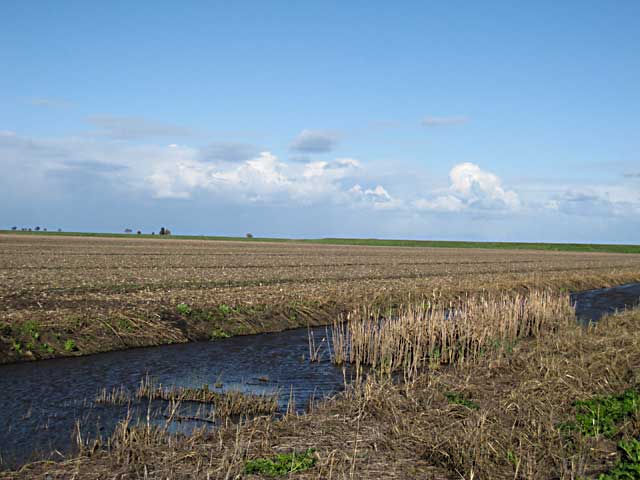
Staten Island
Staten Island is a working example of Wildlife Friendly Farming practices. After harvest, farmers leave leftover grains in their fields to serve as food for the birds. In winter, they flood the fields and provide habitat in the irrigation ditches for migrating waterfowl on the Pacific Flyway.
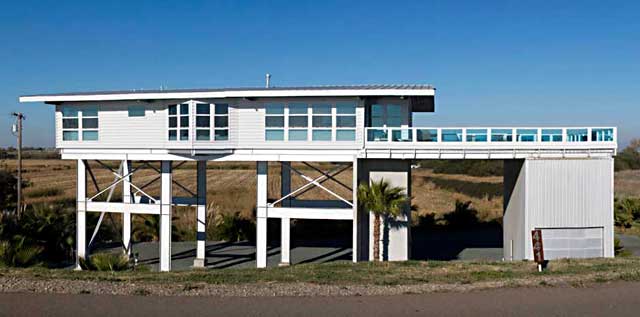
Noah's house? Delta Loop Drive on Andrus Island
This is one way to preserve your home in the high flood risk islands of the Delta. I wonder if they keep a boat on the living level ...
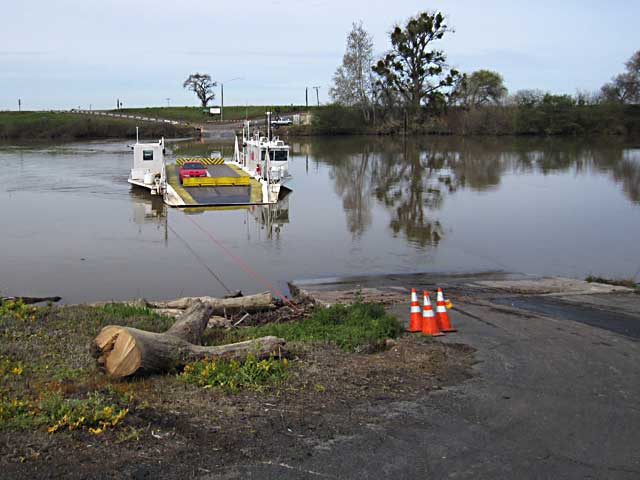
J-Mack Ferry on Steamboat Slough
There are still two public ferry boat crossings in the Delta, operated free of charge by the Department of Transportation. The J-Mack is a cable ferry where a cable is attached to each bank of the channel; it connects Grand Island to Ryer Island and crosses the historic Steamboat Slough. From Ryer Island you take a larger ferry, The Real McCoy II, across the Sacramento River to Rio Vista.
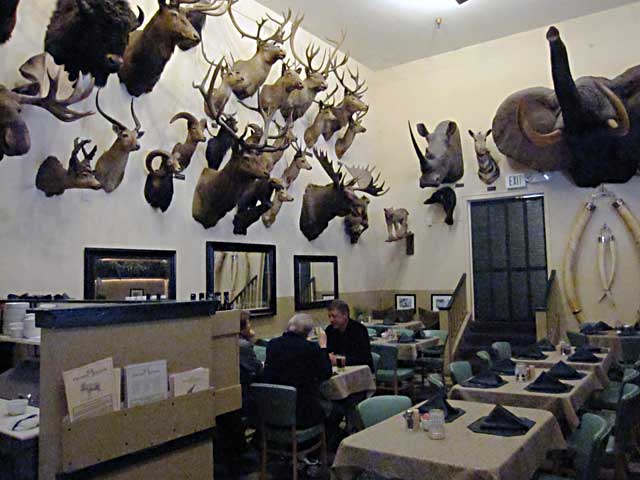
Foster's Bighorn, Rio Vista
There was a limited choice of restaurants in the Delta region and this is one of them. As one of our guidebooks aptly wrote "here is a place guaranteed to leave you shaking your head, either in admiration or disgust." Foster's Bighorn houses one of the world's largest private collections of animal trophies, all shot by famed big-game hunter Bill Foster. While we stopped to see the roadside attraction, we did not eat here.
RESOURCES
Books
Best Easy Day Hikes Sacramento, A Falcon Guide
Lonely Planet California (Regional Guide)
Lonely Planet California Trips (Regional Travel Guide)
The Delta Primer: A Field Guide to the California Delta
PDFs
Water Education Foundation Delta Tour Itinerary 2011
Delta Conservancy Tour Itinerary
Description of the Delta Cross Channel near Walnut Grove
Sacramento Delta Driving Tours (Rio Vista-Ryde and The Delta Loop recommended)
Historic Locke Map
Sacramento Old City Cemetary Map and points of interest,
Rio Vista Walking Guide
Websites
The Grand Island Mansion (Sunday Brunch - reservations required)
Historic Locke
Sacramento Old City Cemetery